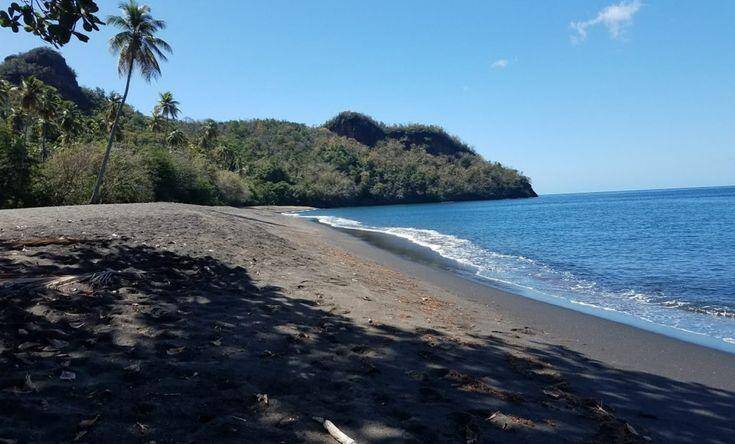
Who said a Caribbean beach has to have white sand to be beautiful? In St. Vincent & the Grenadines, some of the island's most distinctive shorelines are dressed in black — and there's a fascinating story behind every grain.
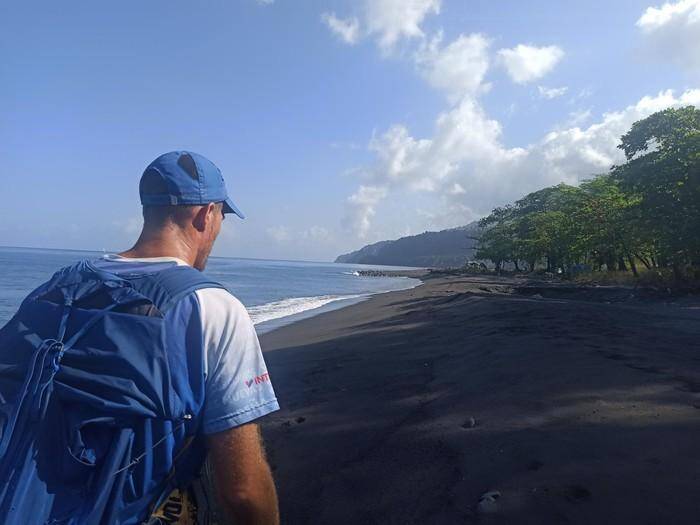
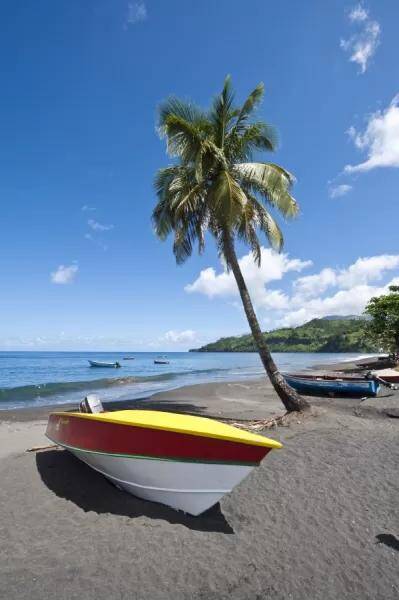
Picture yourself arriving at a beach, looking out at brilliant blue Caribbean water, and noticing something different beneath your feet. Instead of pale, powdery sand, the shoreline is a deep shade of charcoal, almost black in the sunlight.
For some travelers, that might be unexpected. Many people associate a Caribbean vacation with white sand, turquoise water, and the postcard-perfect beach.
But St. Vincent has a different kind of beauty.
Its black sand beaches are dramatic, distinctive, and deeply connected to the island's volcanic origins. And if you enjoy a good beach lime, a picnic, or cooking up something delicious by the sea, these shores offer a setting that's worth experiencing for yourself.
Why Is the Sand Black? The Volcano Connection
Here's the science behind the scenery.
St. Vincent is a volcanic island, shaped over millions of years by volcanic activity. La Soufrière, the island's active volcano, is part of that geological story.
Many of St. Vincent's black sand beaches get their dark color from volcanic rocks that have broken down over time. These rocks contain dark minerals, including iron- and magnesium-rich materials, which give the sand its distinctive appearance.
But how does a mountain of volcanic rock become a beach?
It happens through a natural process that takes place over time:
- Volcanic activity creates dark rock. Lava cools and solidifies into rock, including dark volcanic rock such as basalt.
- Weather and water break it down. Rain, rivers, and erosion gradually wear away the rock, producing smaller fragments.
- Rivers carry the material toward the coast. Streams and rivers transport volcanic sediments from the island's mountainous interior to the sea.
- Waves and currents shape the shoreline. The ocean moves, sorts, and further breaks down the material, helping create the dark sand that accumulates along the coast.
So when you walk along a black sand beach in St. Vincent, you're walking across a landscape shaped by the island's volcanic history.
It's not just sand. It's geology you can see, touch, and experience.
Black Sand vs. White Sand: What's the Difference?
The difference isn't simply color. It's where the sand comes from.
On many white-sand Caribbean beaches, the pale sand is made largely from fragments of coral, shells, and other marine organisms. Those materials are rich in calcium carbonate and are connected to the surrounding reef ecosystem.
On much of mainland St. Vincent, the story is different. Dark volcanic rock from the island's mountains supplies much of the material that reaches the coast.
That's one reason the main island can look so different from some of the Grenadines, where white and light-colored coral-derived beaches are more common.
Neither type of beach is inherently better. They simply tell different stories about the land and sea.
And St. Vincent's black sand is part of what makes its coastline so recognizable.
The Beach Lime: Bring the Food, Bring the Vibes
Now let's talk about one of the best parts of a beach day in SVG: the food.
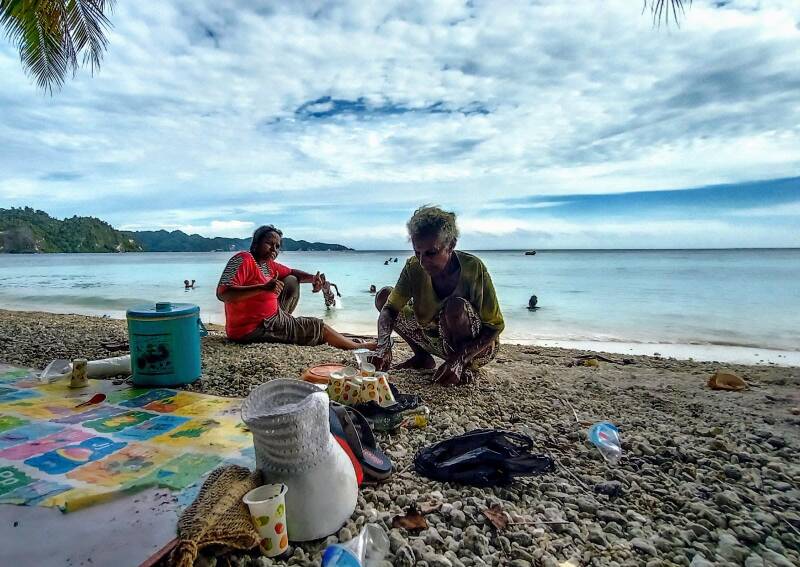
A beach lime is about more than swimming. It's about spending time with friends, sharing a meal, enjoying the sea breeze, and taking your time.
Black sand beaches can be a beautiful backdrop for that kind of outing. At a suitable beach with safe conditions and appropriate facilities, you might bring a cooler, prepare food, or enjoy a picnic while taking in the scenery.
And here's a little practical advantage: dark sand may make light-colored sand particles less visually noticeable when they land on your food or picnic setup. But it doesn't actually prevent salt spray, sand, or grit from getting into your meal.
If you're planning to cook or eat at the beach, keep food covered, use a clean table or raised cooking surface, and keep utensils and ingredients away from loose sand. Choose a designated cooking area where fires or grills are permitted, and never leave a fire unattended.
The goal is to enjoy the beach without leaving a mess behind.
A Few Black Sand Beaches to Put on Your SVG List
St. Vincent has several black sand beaches worth exploring. Here are a few to know about.
1. Mount Wynne Beach
Mount Wynne is one of St. Vincent's recognized black sand beaches and a popular picnic spot for locals and visitors. Located along the western coast, it offers a striking stretch of dark sand and a setting for enjoying the coastline.
If you're planning a beach day, check the current opening arrangements, facilities, and any applicable entrance or parking fees before heading out.
2. Cumberland Bay
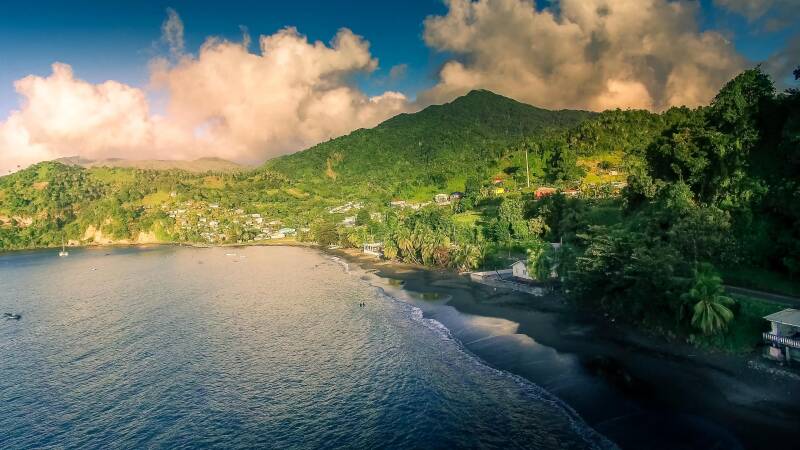
Cumberland Bay is another coastal destination on the western side of St. Vincent, known for its dramatic setting and deep-water bay. It's part of the island's distinctive volcanic coastline.
It's a place to appreciate the island's rugged coastal scenery, but always check sea conditions before swimming or entering the water.
3. Chateaubelair Bay
Further along the western coast, Chateaubelair Bay offers another opportunity to experience St. Vincent's dark-sand shoreline and coastal character.
The open sea can be unpredictable, so take local advice about currents, swell, and safe swimming conditions.
A Quick Heads-Up: Black Sand Can Get Hot!
There's one thing you should know before walking barefoot across a black sand beach on a sunny day.
Dark sand absorbs more sunlight than pale sand and can become uncomfortably hot.
Bring sandals or water shoes, especially if you're visiting around midday. A beach towel or mat can also make relaxing on the sand more comfortable.
And don't assume every black sand beach is calm or suitable for swimming. Conditions vary by location, weather, and season. Check with local residents or beach managers before getting into the water.
How to Get to the Black Sand Beaches
Ready to see St. Vincent's dark volcanic coastline for yourself?
Some black sand beaches are accessible by road, while others may require additional planning. If you're staying around Kingstown, Arnos Vale, Villa, or elsewhere on the island, consider arranging transportation ahead of time.
Need a ride? Download VincyCar.
You can search for VincyCar in the Google Play Store or Apple App Store to find the app and check available transportation options.
Plan your pickup and return in advance, particularly if you're visiting a beach farther from the main population centers or staying until later in the day.
Discover a Different Side of Paradise
The beauty of St. Vincent & the Grenadines doesn't come in just one color.
From white-sand beaches in the Grenadines to the dramatic black volcanic shores of mainland St. Vincent, the islands offer a variety of coastal experiences shaped by nature.
So the next time someone tells you a Caribbean beach needs white sand to be worth visiting, tell them about St. Vincent.
Tell them about the volcano, the dark sand, the blue water, and the beach lime waiting to happen.
The Vincy List — helping you discover what's here, what's happening, and where to go.
Explore TheVincyList.com and start planning your next SVG adventure.